Introduction: Dance Like No One's Watching
Dancing is not just an art form; it's a journey of self-expression, discipline, and passion. For the intermediary dancer, stepping into a dance studio signifies a leap into a world filled with creativity and hard work. What tools do you need to navigate this realm effectively? This comprehensive guide offers you The Intermediary Dancer's Gear Checklist for Studios, ensuring that you're fully equipped to unleash your inner performer.
The Intermediary Dancer’s Gear Checklist for Studios
When it comes to selecting gear for the dance studio, one size does not fit all. Every dancer has unique needs based on their style, level, and personal preference. However, certain essentials are universally recognized as indispensable.
1. Dance Shoes: Step Up Your Game
1.1 Types of Dance Shoes
- Ballet Shoes: Lightweight and flexible, perfect for ballet classes. Jazz Shoes: More durable, ideal for jazz and modern dance styles. Tap Shoes: Equipped with metal taps that produce sound; essential for tap dancing.
Choosing the right pair can elevate your performance from ordinary to extraordinary. Always ensure your shoes fit snugly but comfortably—too tight can cause blisters; too loose can lead to slips.
2. Dance Attire: Dress to Impress
Dan Studio Tualatin reviews2.1 Essential Clothing Items
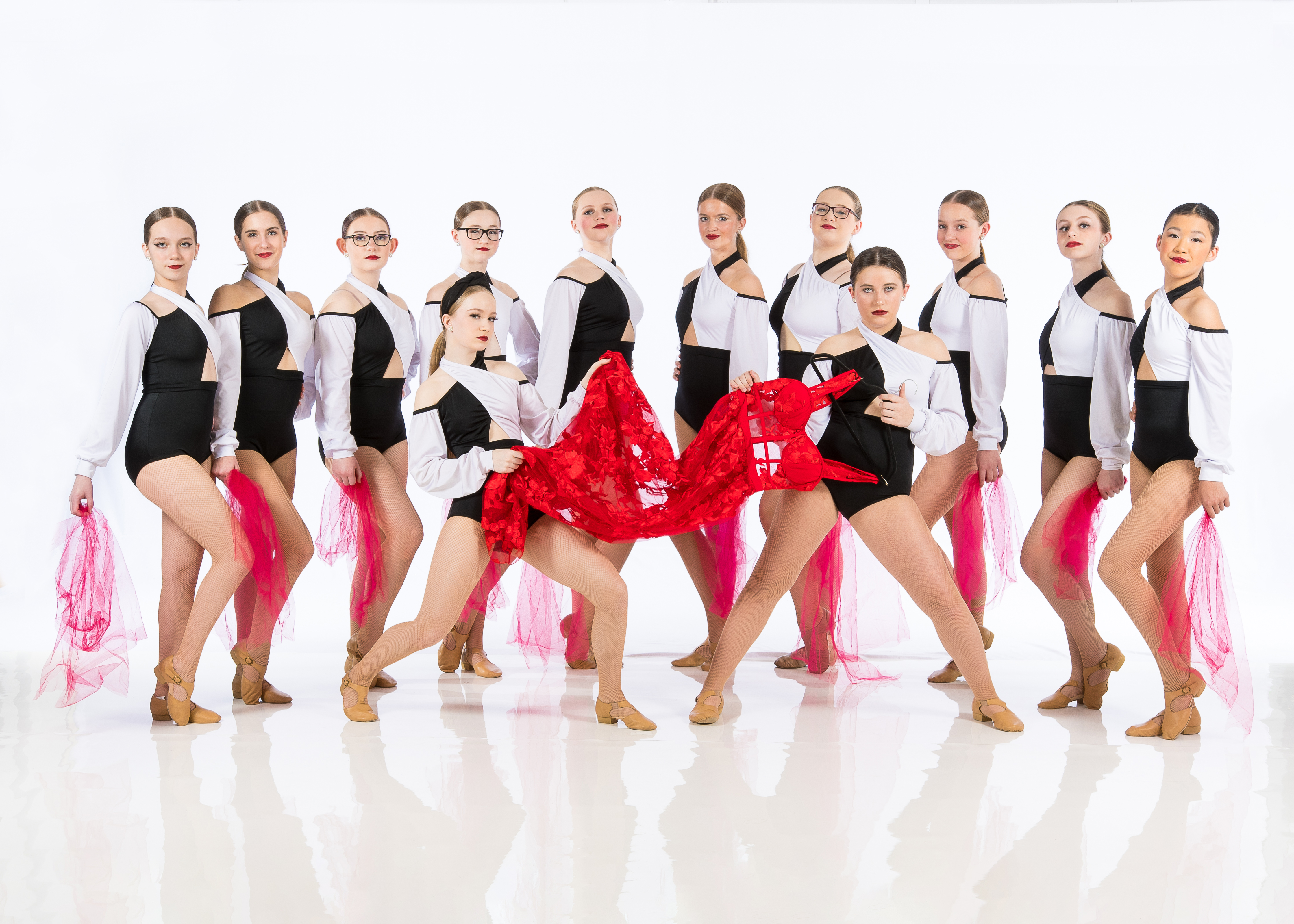
- Leotards: A staple item that allows instructors to see body lines clearly. Tights: Provide warmth and enhance movement visibility. Dance Shorts or Skirts: Offer comfort and versatility during practice.
It's crucial to opt for breathable fabrics that allow freedom of movement while maintaining elegance.
3. Warm-Up Gear: Prepare Your Body
3.1 Importance of Warming Up
Before diving into rigorous routines, warming up helps prevent injuries by increasing blood flow to your muscles.
3.2 Recommended Warm-Up Items
- Sweatpants or Leggings: For comfort during warm-ups. Jackets or Hoodies: To maintain body temperature before class.
A proper warm-up routine sets the tone for a productive session in the dance studio.
4. Accessories That Matter
4.1 Hair Accessories
Maintaining a neat appearance is vital in dance studios:
- Hair Ties Hair Nets Headbands
These accessories keep hair out of your face so you can focus on your movements without distractions.
4.2 Water Bottle
Staying hydrated is key! Choose a reusable bottle that's easy to carry around the studio.
5. Stretching Tools: Enhance Flexibility
5.1 Must-Have Stretching Aids
Using tools like resistance bands and foam rollers can significantly enhance flexibility and relieve muscle tension post-practice.
6. Personal Care Products
6.1 Skin Care Routine
Keeping skin healthy is often overlooked:
- Moisturizer Sunscreen (if practicing outdoors)
Taking care of your skin should be as essential as perfecting your pirouette!
FAQ Section:
1. What type of shoes should I wear for ballet?
Ballet shoes are specifically designed for ballet classes because they offer flexibility and support needed for classical technique.
2. Is wearing tights necessary?
While not mandatory, tights help dancers maintain warmth in their muscles while allowing instructors to observe body lines effectively.
3. How often should I replace my dance shoes?
It varies based on usage; however, if you notice any significant wear or discomfort while dancing, it’s time for a new pair!
4. What should I do if I'm unsure about what attire fits my dance style?
Consult with your instructor or fellow dancers who can provide guidance tailored to your specific style and level.
5. Are there particular brands recommended for dance gear?
While personal preference plays a big role, some reputable brands include Capezio, Bloch, and Sansha known for their quality products.
6. Can I use regular athletic wear instead of specialized dance attire?
While possible in casual settings, specialized dance attire allows greater freedom of movement and better performance visibility during classes.
Conclusion: Elevate Your Dance Experience
In the realm of dance studios, having the right gear can make all the difference between feeling confident or uncomfortable while performing complex routines—or simply enjoying practice sessions more thoroughly! With this definitive checklist in hand—your very own Intermediary Dancer’s Gear Checklist for Studios—you're ready to embrace every opportunity that comes your way on this thrilling journey through movement! So lace up those shoes, don that leotard, and step confidently onto the floor; amazing experiences await!
This article serves as a comprehensive guide tailored toward intermediary dancers looking to maximize their experience in any dance studio setting while showcasing expertise in gear selection suited specifically to their needs!