Introduction: The Fine Line Between Dedication and Overexertion
In the world of dance and physical fitness, dedication is often hailed as a virtue. The more you practice, the better you get—right? But is there such thing as too much practice? Balancing workouts is a crucial aspect that many aspiring dancers, athletes, and fitness enthusiasts overlook. While relentless training might seem like the key to success, it could also lead to burnout or injuries that can set one back for months.
In this article, we’ll dive into the intricate relationship between practice and performance. We'll explore the significance of balanced workouts while get more info incorporating insights from professionals in various fields. Whether you're a seasoned dancer at a local dance studio or just starting your fitness journey, understanding how to balance your practice can take you further than sheer persistence alone.
The Importance of Balance in Dance and Fitness
Why Balance Matters in Training
Balance isn’t just about maintaining physical stability; it’s also about finding a harmonious routine that incorporates various elements of training.
- Physical Health: Overtraining can lead to injuries ranging from minor strains to serious conditions requiring extensive recovery time. Mental Well-being: Continuous practice without adequate rest can result in mental fatigue, making it harder to stay motivated. Skill Development: Focused practice sessions are often more effective than longer, unstructured ones.
Understanding Your Body's Limits
Every body has its unique limits. Factors such as age, fitness level, and even genetic predispositions play a significant role in how much one can train without experiencing negative effects.
Listen to Your Body - If you're feeling pain or excessive fatigue, it's time to reevaluate your routine. Scheduled Rest Days - Incorporating days for recovery helps muscles rebuild and strengthens mental focus.Finding That Sweet Spot: Quality Over Quantity
When it comes to practice sessions in a dance studio or gym, quality often trumps quantity.
- Focus on technique rather than simply clocking hours. Use targeted drills that enhance specific skills instead of performing routines mindlessly.
Is There Such Thing as Too Much Practice? Balancing Workouts
Defining "Too Much" Practice
What does “too much” really mean? It varies from person to person but generally refers to an amount of training that leads to physical strain or mental burnout.
Signs You Might Be Practicing Too Much
- Persistent soreness that doesn’t go away Decreased performance levels Constant fatigue
How Many Hours Should You Train? A General Guide
The number of hours one should dedicate to practice typically depends on various factors including age, skill level, and goals.
| Age Group | Recommended Practice Hours per Week | |------------------|-------------------------------------| | Children (6-12) | 3-5 hours | | Teenagers (13-18)| 5-10 hours | | Adults | 8+ hours |
Adjusting Hours Based on Experience
More experienced dancers or athletes may require more intense or longer sessions compared to beginners who should focus on foundational techniques.
Psychological Effects of Overtraining
Mental Fatigue: An Often Overlooked Component
Overtraining isn't merely a physical issue; it's also psychological.
Symptoms of Mental Exhaustion
Lack of enthusiasm towards workouts Increased irritability Difficulty concentratingCombating Mental Burnout through Variety
Mixing up routines can stave off boredom and keep motivation high:
- Try different styles of dance at your local dance studio. Incorporate cross-training activities like yoga or Pilates into your regimen.
The Role of Recovery in Balancing Workouts
Understanding Recovery Times Between Workouts
Recovery is just as important as the workouts themselves.
Active Recovery – Light exercises such as walking or stretching help promote blood circulation. Passive Recovery – Total rest days allow muscle fibers to heal completely.Nutrition's Role in Recovery
Your diet plays a pivotal role in how well you recover:
| Food Type | Benefits | |-------------------|--------------------------------| | Protein-rich foods | Repair muscle tissues | | Carbohydrates | Replenish energy stores | | Hydration | Prevents dehydration & fatigue |
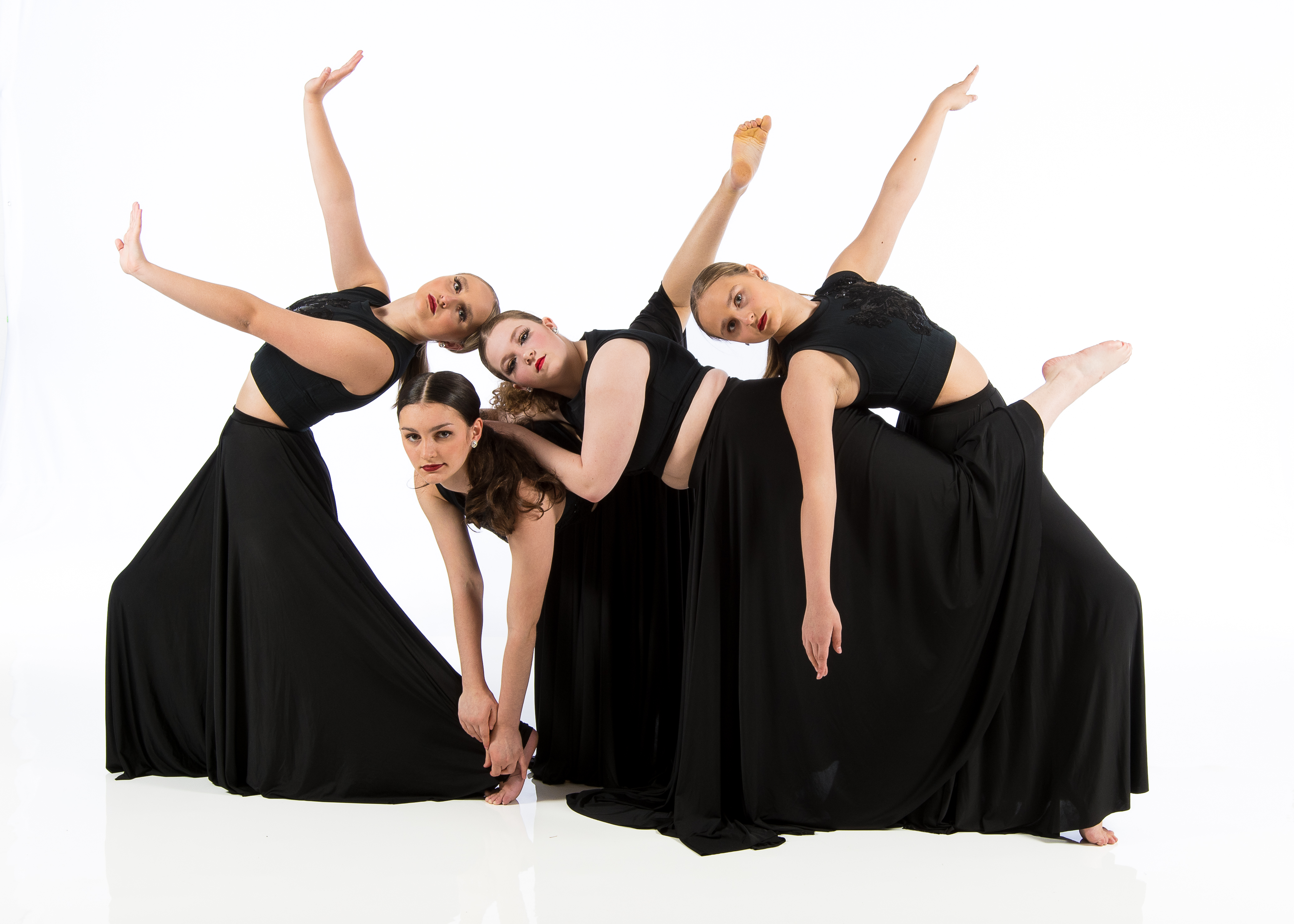
Incorporating Cross-training into Your Regimen
What is Cross-training? A Comprehensive Overview
Cross-training involves engaging in different forms of exercise apart from your main focus area—in this case, dancing.
Benefits of Cross-training
Reduces risk of injury by diversifying movements Improves overall athleticism Keeps workouts fresh and excitingExamples of Effective Cross-training Activities for Dancers
Consider adding these activities into your weekly schedule:
- Swimming for cardiovascular endurance Strength training for enhanced muscle stability Yoga for improved flexibility and mental focus
Setting Realistic Goals: The Pathway to Progression
Short-term vs Long-term Goals: What’s the Difference?
Both types are essential but serve different purposes:
Short-term goals might include mastering particular choreography pieces while long-term goals could involve preparing for competitions or performances.
SMART Goals Framework
Utilizing the SMART criteria helps ensure goal effectiveness:
Specific Measurable Achievable Relevant Time-boundTracking Your Progress Over Time
Keep tabs on your improvements through journals or apps designed specifically for dancers and athletes alike.
Listening to Expert Opinions: Insights from Professionals
Interviews with Dance Instructors and Trainers on Balancing Workouts
Experts agree that balance is key when it comes to successful training regimes.
"It's essential not just to work hard but also smart," says Maria Rodriguez, a renowned instructor at Dance Studio XYZ.
The Importance of Professional Guidance
Having mentors who understand balancing workouts can provide invaluable insights tailored specifically for individual needs.
Creating a Balanced Weekly Workout Schedule
Here’s an example schedule that balances rigorous training with necessary recovery:
| Day | Activity | |-----------|------------------------------| | Monday | Technique Class (2 hours) | | Tuesday | Cross-training (Swimming) | | Wednesday | Choreography Rehearsal (3 hours) | | Thursday | Rest Day | | Friday | Performance Practice (2 hours)| | Saturday | Stretching/Yoga | | Sunday | Rest Day |
FAQ Section
Q: How do I know if I’m overtraining?
A: Signs include persistent soreness and decreased performance levels along with constant fatigue or irritability.
Q: How many rest days should I have each week?
A: Ideally, schedule at least one full rest day each week alongside active recovery days based on your workout intensity.
Q: Is cross-training beneficial for dancers?
A: Absolutely! It reduces injury risk while enhancing overall athleticism by incorporating diverse movements into your routine.
Q: Can I practice every day if I feel good?
A: While daily practice might feel great initially, it's essential to listen to your body; incorporate scheduled rest days regardless of feelings.
Q: What nutrients aid recovery after intense workouts?
A: Focus on protein-rich foods for muscle repair along with carbohydrates for energy replenishment post-practice sessions.
Q: Do professional dancers take breaks during their training seasons?
A: Yes! Even professional dancers schedule breaks between intensive periods for both physical recovery and mental refreshment.
Conclusion
In wrapping up our exploration of whether there’s such thing as too much practice regarding balancing workouts, we've learned that moderation is key across all aspects—from physical exertion down to psychological health considerations. Regularly attending classes at your local dance studio can offer structured guidance toward finding balance while keeping enthusiasm alive throughout your journey!
Remember, it’s not only about how hard you work but Dance Studio Tigard also how intelligently you approach your training regimen—so don’t hesitate! Take those rest days seriously and mix up routines now and then; your future self will thank you!